

Swimming is one of the most popular forms of exercise in the world, but many people still ask is swimming cardio? The short answer is yes. Swimming is an excellent cardiovascular workout that raises your heart rate, strengthens your heart and lungs, burns calories, and improves your overall fitness. At the same time, it’s a low-impact activity that’s gentle on your joints, making it suitable for beginners, older adults, and people recovering from injuries.
Whether your goal is to lose weight, improve endurance, or simply become healthier, swimming can be one of the most effective exercises you can choose. In this guide, you’ll learn exactly why swimming counts as cardio, its health benefits, how many calories it burns, whether it builds muscle, and how to make the most of every session.
What Is Cardio?
Cardio, short for cardiovascular exercise, is any physical activity that increases your heart rate and breathing for an extended period. During cardio exercise, your heart pumps more blood around your body while your lungs work harder to deliver oxygen to your muscles.
Regular cardiovascular exercise can help:
- Improve heart health
- Increase lung capacity
- Burn calories
- Reduce the risk of chronic diseases
- Improve endurance
- Boost mood and energy levels
Common examples include walking, running, cycling, rowing, dancing, and swimming. If you are unsure whether every day activities count as cardio, read our guide on Does Walking Count as Cardio?
Understanding what cardio is makes it easier to answer the question, is swimming cardio, because it meets all the key characteristics of cardiovascular exercise.
Is Swimming Cardio?
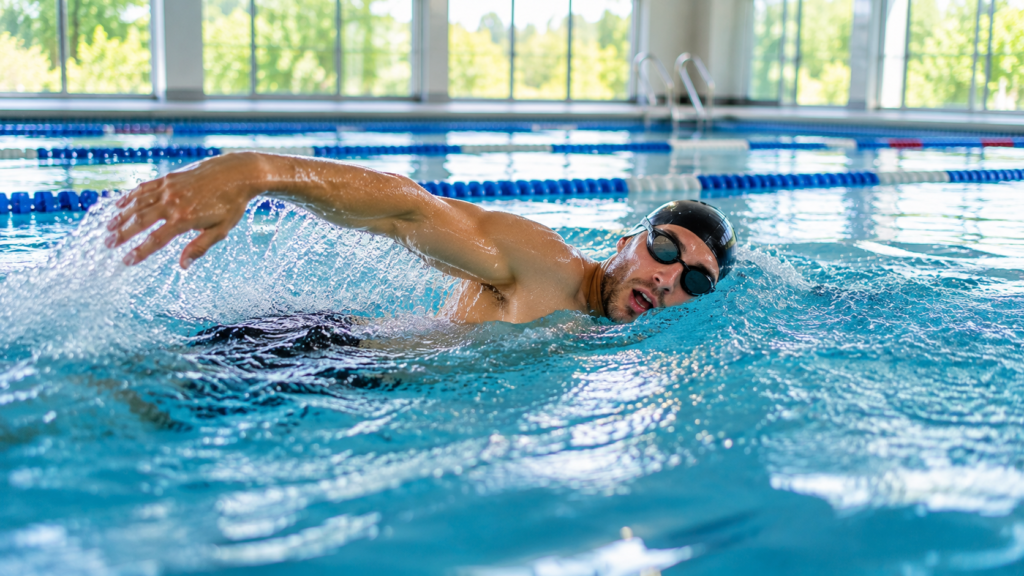
Yes, swimming is cardio because it challenges your cardiovascular system by continuously moving large muscle groups while increasing your heart rate and breathing rate.
Unlike many land-based exercises, swimming also requires your body to work against the resistance of water. Every stroke engages multiple muscles while your heart delivers oxygen-rich blood throughout your body.
As long as you swim continuously for several minutes, your body receives many of the same cardiovascular benefits as activities like running or cycling.
The intensity depends on factors such as:
- Swimming speed
- Stroke choice
- Distance covered
- Rest between lengths
- Your overall fitness level
A gentle swim may provide light cardio, while interval training or faster swimming can become a vigorous cardiovascular workout.
Why Swimming Is One of the Best Cardio Exercises
Swimming offers several advantages over many other forms of cardio.
It Works Your Entire Body
Unlike walking or cycling, swimming uses your:
- Arms
- Shoulders
- Chest
- Back
- Core
- Glutes
- Legs
Very few exercises activate as many muscles simultaneously.
It’s Low Impact
Because the water supports your body weight, swimming places much less stress on your joints.
This makes it ideal for people with:
- Arthritis
- Joint pain
- Previous injuries
- Back problems
- Excess body weight
Many people who struggle with running find they can comfortably swim several times each week.
It Improves Heart Health
Regular swimming strengthens the heart muscle, allowing it to pump blood more efficiently.
Over time this can help:
- Lower resting heart rate
- Improve circulation
- Reduce blood pressure
- Increase cardiovascular endurance
These changes contribute to better long-term health.
It Improves Lung Function
Swimming teaches controlled breathing.
Many swimmers noticed they gradually become better at controlling their breathing pattern, helping improve lung efficiency and endurance.

Health Benefits of Swimming
Swimming offers much more than calorie burning. If you’ve ever wondered is swimming cardio, these health benefits show why it is considered one of the most effective forms of aerobic exercise.
Improved Cardiovascular Fitness
Consistent swimming trains your heart to work more efficiently, improving stamina during both exercise and daily life.
Better Muscle Endurance
Because water provides constant resistance, your muscles work throughout every movement.
Overtime this increases muscular endurance without placing excessive stress on your joints.
Improved Flexibility
Many swimming strokes encourage a wide range of motion for your shoulders, hips, and ankles.
This may help maintain flexibility alongside strength.
Reduced Stress
Many people find swimming relaxing due to the rhythmic movement and controlled breathing.
Exercise also stimulates the release of endorphins, which can improve mood and reduce stress levels.
Better Recovery
Swimming is often used as active recovery by athletes because it increases blood flow without the heavy impact associated with running or jumping.

How Many Calories Does Swimming Burn?
The number of calories burned depends on:
- Body weight
- Swimming intensity
- Stroke used
- Duration
Generally, a person can burn hundreds of calories during a moderate swimming session.
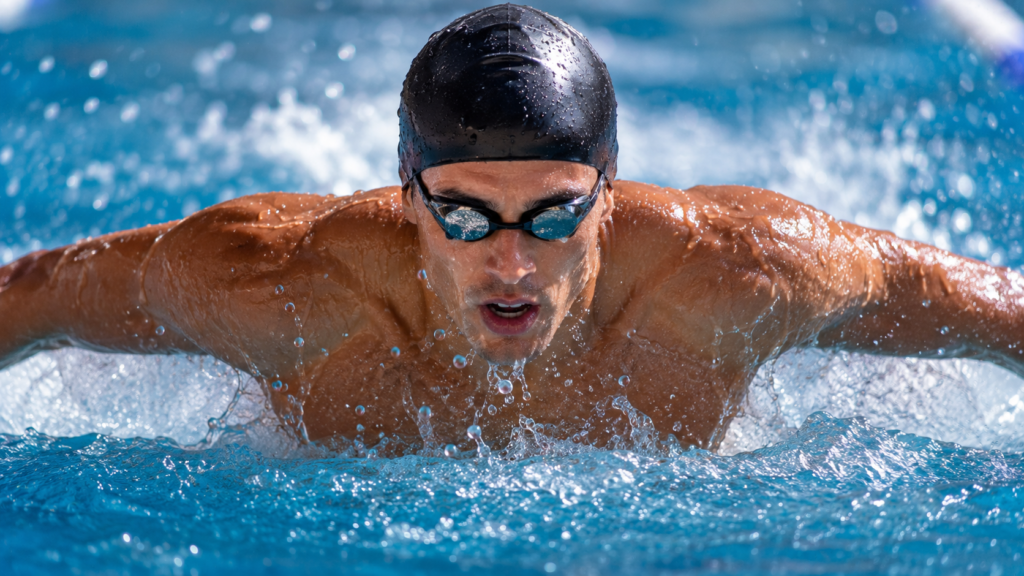
More vigorous strokes such as butterfly and freestyle typically burn more calories than slower breaststroke sessions.
Longer workouts naturally increase total calorie expenditure.

Is Swimming Good for Weight Loss?
Yes, swimming can be an excellent tool for weight loss.
Weight loss occurs when you consistently burn more calories than you consume. Swimming helps increase calorie expenditure while also improving overall fitness.
Many people choose swimming because it allows them to exercise comfortably even if they find high-impact workouts difficult.
For the best results:
- Swim consistently
- Progress your workouts over time
- Combine swimming with a balanced diet
- Include strength training during the week
Remember that no single exercise guarantees weight loss. Consistency matters far more than choosing the “perfect” workout. If you’re wondering how quickly you’ll start seeing results, our guide on How Long Does It Take to Lose Weight? explains the realistic timeline for healthy, sustainable weight loss and the factors that can affect your progress.
Does Swimming Build Muscle?
Swimming does build muscle, although not in the same way as heavy weight training.
The resistance created by water helps strengthen muscles through your body.
Swimming especially develops:
- Shoulders
- Upper back
- Lats
- Core
- Glutes
- Legs
Beginners often notice improvements in muscle tone after several weeks of regular swimming.
However, if your primary goal is significant muscle growth, resistance training remains the most effective option. Swimming works best alongside a structured strength-training programme. If you’re wondering when you’ll start seeing results, check out our guide on How Long Does It Take to Build Muscle?
How Often Should You Swim?
Most health organisations recommend that adults aim for at least 150 minutes of moderate-intensity aerobic activity each week, alongside muscle strengthening exercises on two or more days. If your goal is to improve fitness, the answer to is swimming cardio means regular swimming sessions can easily help you meet your weekly exercise recommendations.
That could include:
- Three 50-minute swimming sessions
- Five 30-minute swims
- Several shorter sessions spread throughout the week
Beginners should focus on consistency before increasing speed or distance.
A simple progression might be:
Week 1-2
- 20 minutes
- Comfortable pace
Week 3-4
- 25-30 minutes
- Slightly higher intensity
Week 5 onwards
- 30-45 minutes
- Add intervals or longer continuous swims
Gradually increasing your workload helps reduce the risk of injury while improving fitness.
Swimming vs Running
Both exercises provide excellent cardiovascular benefits, but each has its strengths.
Swimming is often better if you:
- Need low-impact exercise
- Have joint pain
- Want a full-body workout
- Prefer exercising in water
Running may be better if you:
- Want to improve running performance
- Enjoy outdoor exercise
- Want an activity requiring minimal equipment
Many people ask is swimming cardio or if running is the better choice, but both are excellent ways to improve cardiovascular fitness.
| Feature | Swimming | Running |
| Cardiovascular workout | Excellent | Excellent |
| Joint impact | Low | High |
| Full-body workout | Yes | Mostly lower body |
| Builds endurance | Excellent | Excellent |
| Burns calories | High | High |
| Suitable for joint pain | Yes | Not always |

Neither is objectively better. The best cardio exercise is the one you can perform consistently.
Common Beginner Mistakes
Swimming Too Fast
Many beginners start every session at maximum effort before becoming exhausted after only a few lengths.
Instead, begin at a sustainable pace and gradually build endurance.
Ignoring Technique
Poor technique wastes energy.
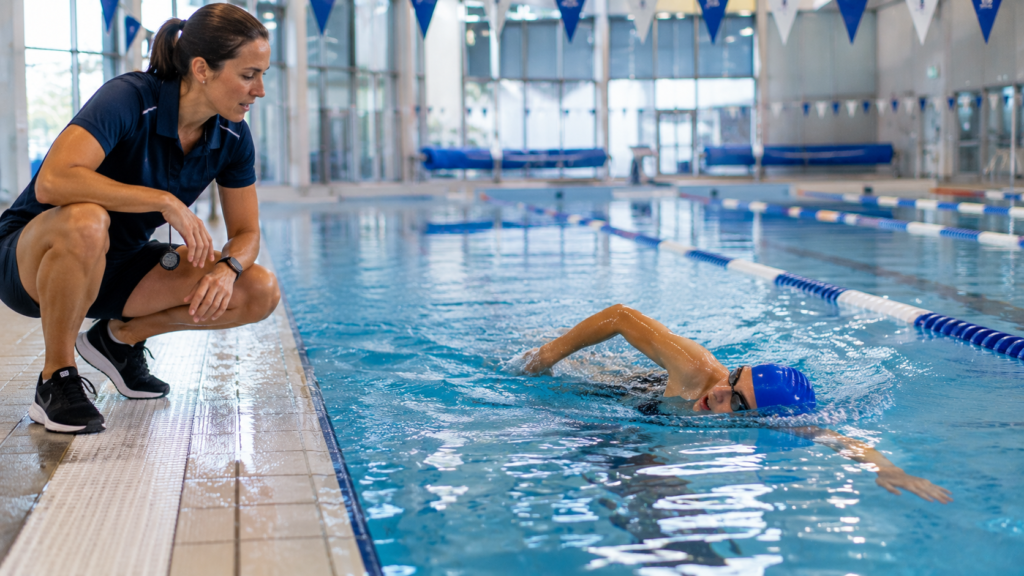
Taking time to improve your stroke can help you swim further while using less effort.
Skipping Warm-Ups
Even though swimming feels gentle, your muscles still benefit from warming up before harder efforts.
Only Swimming Occasionally
One session every few weeks won’t produce significant fitness improvements.
Aim for regular sessions throughout the week for the best results.
Frequently Asked Questions
Is swimming cardio or strength training?
Swimming is primarily cardiovascular exercise, although it also strengthens muscles because of water resistance.
Is swimming better than walking?
Both are excellent exercises. Swimming generally provides a more complete full-body workout, while walking is easier to perform regularly.
Can you swim everyday?
Many people can swim daily if they recover well and vary the intensity of their sessions.
Is swimming enough exercise on its own?
Swimming can meet your weekly cardio recommendations, but combining it with strength training provides more balanced overall fitness.
Conclusion
So, is swimming cardio? Absolutely. Swimming raises your heart rate, strengthens your cardiovascular system, burns calories, and works nearly every major muscle group in your body.
One of its biggest advantages is that it provides these benefits while remaining gentle on your joints, making it suitable for people of almost all ages and fitness levels.
Whether you’re aiming to improve endurance, lose weight, support your heart health, or simply enjoy a fun way to stay active, swimming is one of the best forms of cardio available. Combined with a balanced diet and regular strength training, it can play a major role in building a healthier, fitter lifestyle.
Hopefully, you now have a clear answer to the question, is swimming cardio, and feel confident including swimming in your fitness routine.