
If you’ve ever wondered how often should you exercise, you’re not alone. It’s one of the most common fitness questions among beginners and even experienced gym-goers. Exercise is essential for improving your heart health, building muscle, maintaining a healthy weight, boosting mental wellbeing, and reducing the risk of many chronic diseases. However, knowing the right amount of exercise can be confusing when different people recommend different routines.
The good news is that there isn’t one perfect workout schedule for everyone. How often should you exercise depends on your goals, current fitness level, age, recovery, and the type of exercise you’re doing. Someone training for a marathon will have different needs than someone simply trying to improve their overall health or lose weight.
Most health organisations agree that consistency matters more than intensity. Rather than exercising as much as possible, creating a sustainable routine that balances cardio, strength training, and recovery will produce the best long-term results.
In this guide, you’ll learn how often should you exercise for general health, weight loss, muscle gain, and cardiovascular fitness. We’ll also explain why rest days matter, provide a beginner-friendly weekly workout schedule, and answer some of the most common questions about exercise frequency.
What do Health Experts Recommend?
When deciding how often should you exercise, it’s helpful to start with recommendations from trusted health organisations. Although your ideal routine may vary depending on your goals, these guidelines provide an excellent foundation.

The World Health Organization (WHO) recommends that adults complete at least 150 to 300 minutes of moderate-intensity aerobic activity each week, or 75 to 150 minutes of vigorous-intensity activity. Adults should also perform muscle-strengthening activities at least two days per week involving all major muscle groups.
Similarly, the NHS recommends spreading physical activity throughout the week instead of trying to complete it all in one or two sessions. Regular movement has been shown to reduce the risk of heart disease, stroke, type 2 diabetes, certain cancers, and depression while improving sleep quality and overall wellbeing.
If you’re new to fitness, these numbers might sound intimidating. Fortunately, you don’t need to become an athlete overnight. Starting with just three exercise sessions each week and gradually increasing your activity is often the most sustainable approach.
If your goal is weight loss, combining regular exercise with a healthy diet is usually more effective than relying on exercise alone. If you’re unsure how long weight loss typically takes, you may also enjoy our guide on How Long Does It Take to Lose Weight?
Recommended Weekly Exercise Guidelines
| Goal | Cardio | Strength Training | Rest Days |
| General Health | 150-300 minutes | 2 sessions | 1-2 Days |
| Weight Loss | 200-300+ minutes | 2-3 sessions | 1-2 Days |
| Muscle Building | 75-150 minutes | 3-5 sessions | 1-2 Days |
| Improve Fitness | 150-300 minutes | 2-4 sessions | 1-2 Days |
How Often Should Beginners Exercise?
If you’re just starting your fitness journey, how often should you exercise can feel overwhelming. Many beginners assume they need to work out every day to see results, but that’s rarely necessary. In fact, exercising too much too soon can increase your risk of injury, fatigue, and burnout.

A realistic starting point is three full-body workouts per week, with at least one day of recovery between strength sessions. On your non-strength days, you can stay active with lighter activities such as walking, cycling, swimming, or stretching.
This approach gives your muscles enough time to recover while helping you build the habit of exercising consistently. As your fitness improves, you can gradually increase the number of weekly workouts.
Remember that every workout doesn’t need to be intense. A brisk walk, an easy swim, or a mobility session all count towards your weekly activity goals. If you’re wondering whether walking qualifies as cardio, check out our article Does Walking Count as Cardio?
Swimming is another excellent low-impact option that works nearly every major muscle group while improving cardiovascular fitness. If that’s something you’re considering, our guide Is Swimming Cardio? explains the benefits in more detail.
How Often Should You Exercise for Cardio?
If you’re wondering how often should you exercise to improve your cardiovascular health, the answer depends on both the intensity of your workouts and your personal fitness goals. Cardio includes activities such as brisk walking, running, cycling, swimming, rowing, dancing, and many team sports. These exercises strengthen your heart and lungs while improving endurance and burning calories.

For most healthy adults, aiming for 150 to 300 minutes of moderate-intensity cardio each week is ideal. If you prefer more vigorous activities like running or high-intensity interval training (HIIT), 75 to 150 minutes per week can provide similar health benefits. Spreading these sessions across three to five days each week is generally more manageable than completing all your exercise in one or two days.
If you’re new to cardio, start slowly. A daily 20 to 30-minute walk is an excellent way to build consistency before progressing to longer or more intense workouts. Remember, consistency over several months is far more important than pushing yourself too hard in your first few weeks.
How Often Should You Strength Train?
Strength training is just as important as cardio, yet many people overlook it when deciding how often should you exercise. Building muscle doesn’t just improve your appearance—it also increases strength, supports healthy bones, improves posture, boosts metabolism, and makes everyday activities easier.
Most experts recommend strength training at least two days per week, ensuring that all major muscle groups are worked over the course of the week. Beginners often benefit from three full-body sessions each week, while more experienced lifters may follow upper and lower body splits or push-pull-legs routines four to six days per week.

One of the biggest mistakes beginners make is training the same muscles every day. Muscles grow and repair during recovery, not while you’re lifting weights. Giving each muscle group at least 48 hours to recover before training it again can help reduce soreness and support better long-term progress.
If your goal is building muscle, it’s also worth understanding that muscle growth takes time. Our guide How Long Does It Take to Build Muscle? explains what beginners can realistically expect during their first weeks and months of training.
Cardio vs Strength Training Frequency
| Exercise Type | Recommended Frequency | Main Benefits |
| Brisk Walking | 5-7 days per week | Heart health, endurance, calorie burn |
| Running | 3-5 days per week | Cardiovascular fitness, stamina |
| Swimming | 2-5 days per week | Full-body fitness, low-impact cardio |
| Strength Training | 2-4 days per week | Muscle growth, strength, bone health |
| HIIT | 1-3 days per week | Fitness, calorie burn, conditioning |
Is It Okay to Exercise Every Day?
Many people ask how often should you exercise because they believe working out every day will help them reach their goals faster. While daily exercise can be perfectly healthy, it depends on what type of exercise you’re doing.
For example, taking a brisk walk every day is suitable for most people and can contribute towards your weekly activity target. However, performing heavy weightlifting or high-intensity workouts every day without enough recovery may increase your risk of injury, fatigue, reduced performance, and burnout.

Instead of thinking in terms of “exercise” versus “rest,” consider varying the intensity of your workouts. You might complete a challenging strength workout on Monday, enjoy a walk or swim on Tuesday, return to resistance training on Wednesday, and use Thursday as an active recovery day with stretching or yoga.
Why Rest Days Are Essential
When deciding how often should you exercise, it’s easy to focus on workout days and forget that recovery is just as important. Rest days give your muscles, joints, and nervous system time to repair and adapt after exercise. Without enough recovery, your body may struggle to perform at its best, increasing your risk of fatigue, injury, and overtraining.
During exercise, especially strength training, tiny tears develop in your muscle fibres. Your body repairs these fibres during rest, making them stronger than before. This process is one of the main reasons why taking rest days is essential for building muscle and improving fitness.
Rest days also benefit your mental health. Exercising every day without a break can leave you feeling mentally drained and reduce your motivation to stay active. Scheduling regular recovery days helps make exercise a sustainable habit rather than something that feels exhausting.
Rest doesn’t necessarily mean sitting on the sofa all day. Many people benefit from active recovery, which includes gentle activities such as walking, stretching, yoga, or an easy swim. These activities improve blood flow, reduce stiffness, and can help your body recover more comfortably.

Signs You May Be Exercising Too Much
Although regular physical activity is one of the best things you can do for your health, exercising too much can have the opposite effect. If you’ve been asking how often should you exercise, it’s equally important to recognise when your body needs more recovery.
Some common signs of overtraining include:
- Constant muscle soreness that doesn’t improve.
- Feeling unusually tired throughout the day.
- Declining performance during workouts.
- Difficulty sleeping.
- Increased irritability or low mood.
- Frequent illnesses due to a weakened immune system.
- Loss of motivation to exercise.
- Persistent joint pain or recurring injuries.
Experiencing one or two of these symptoms occasionally isn’t unusual, especially after a challenging workout. However, if several symptoms continue for days or weeks, it may be time to reduce your training volume and prioritise recovery.
Listening to your body doesn’t mean giving up on your goals—it helps ensure you can continue exercising consistently over the long term.
Example Beginner Weekly Workout Schedule
| Day | Activity |
| Monday | Full-body strength training (45-60 minutes) |
| Tuesday | 30-minute brisk walk or light cycling |
| Wednesday | Full-body strength training |
| Thursday | Active recovery (stretching, yoga, or swimming) |
| Friday | Full-body strength training |
| Saturday | Moderate cardio (walking, jogging, cycling, or swimming) |
| Sunday | Rest or gentle walk |
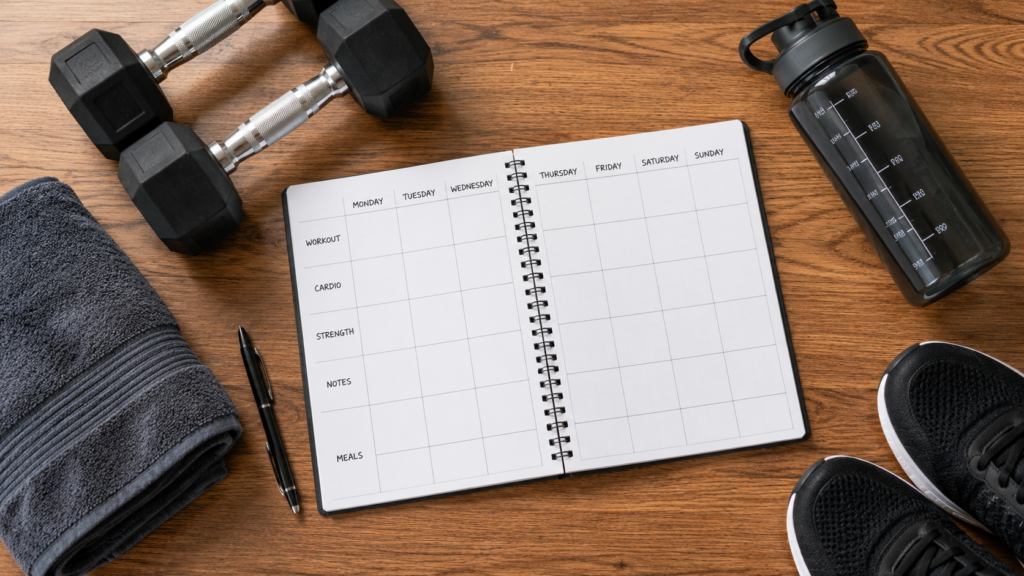
This balanced schedule helps beginners exercise consistently while allowing enough recovery to reduce injury risk and support long-term progress.
Common Exercise Frequency Mistakes
Knowing how often should you exercise is only part of the equation. Avoiding common mistakes is equally important if you want to see consistent progress.
1. Exercising Too Much Too Soon
Many beginners start with the goal of exercising every day. While the motivation is admirable, increasing your workload too quickly often leads to burnout or injury. It’s usually better to begin with three structured workouts each week and gradually increase your activity as your fitness improves.
2. Ignoring Strength Training
Some people only focus on cardio because they believe it’s the fastest way to lose weight. However, strength training helps preserve and build muscle, increases your resting metabolism, and supports long-term weight management.
3. Skipping Rest Days
Recovery isn’t a sign of laziness—it’s an essential part of getting stronger and fitter. Scheduling one or two rest days each week helps your muscles recover while reducing the risk of overuse injuries.
4. Comparing Yourself To Others
Everyone progresses at a different pace. Your ideal exercise routine depends on your age, goals, experience, recovery ability, and overall health. Rather than copying someone else’s workout schedule, focus on building a routine that you can maintain consistently.
If your goal is losing weight, remember that exercise is only one part of the process. Nutrition, sleep, and consistency all play important roles. Our article How Long Does It Take to Lose Weight? explains what you can realistically expect when starting a healthy weight loss journey.
How Often Should You Exercise for Different Fitness Goals?
The answer to how often should you exercise depends largely on what you’re trying to achieve. While general health recommendations provide a useful starting point, adjusting your routine to match your specific goals can help you make better progress.
Whether your aim is losing weight, building muscle, improving endurance, or maintaining good health, consistency is always more important than perfection. A realistic routine that you can follow every week will deliver better long-term results than an overly ambitious schedule that leads to burnout.
Exercise Frequency by Goal
| Goal | Recommended Exercise Frequency | Main Focus |
| General Health | 150-300 minutes of cardio + 2 strength sessions weekly | Overall wellbeing |
| Weight Loss | 4-6 exercise sessions per week | Burn calories while maintaining muscle |
| Muscle Gain | 3-5 strength sessions + 1-2 cardio sessions | Progressive overload and recovery |
| Cardiovascular Fitness | 3-5 cardio sessions weekly | Heart and lung health |
| Endurance | 4-6 sessions weekly | Gradually increasing training volume |
If weight loss is your primary goal, remember that exercise works best alongside a healthy diet. Even the perfect workout routine won’t overcome consistently eating more calories than your body uses.
Likewise, if you’re trying to build muscle, recovery, protein intake, and progressive overload are just as important as deciding how often should you exercise.
Frequently Asked Questions
Is exercising three days a week enough?
Yes. For many beginners, exercising three times a week is enough to improve fitness, build strength, and establish a consistent routine. As your fitness improves, you can gradually increase your exercise frequency if your goals require it.
Is it okay to exercise every day?
Yes, provided you vary the intensity of your workouts and allow your body to recover. Walking, stretching, or swimming every day is generally safe for most healthy adults, whereas performing intense strength or HIIT workouts every day without recovery is not recommended.
How often should beginners exercise?
Beginners should aim for three to four sessions each week, combining strength training with moderate cardio. This provides enough stimulus for progress while allowing sufficient recovery between workouts.
How many rest days should I have?
Most people benefit from one or two rest days each week. Your ideal number depends on your age, fitness level, workout intensity, and recovery ability.
Final Thoughts
So, how often should you exercise?
For most adults, the ideal routine includes 150 to 300 minutes of moderate-intensity cardio each week, at least two strength training sessions, and one or two rest days. However, the best workout schedule is one that matches your personal goals, fits your lifestyle, and is realistic enough to maintain over the long term.
Rather than chasing perfection, focus on building healthy habits. Whether you’re walking around your neighbourhood, swimming laps, lifting weights at the gym, or following a beginner workout plan at home, every session contributes to better health.
Remember that fitness is a lifelong journey, not a short-term challenge. By exercising consistently, recovering properly, and gradually increasing your activity as you become fitter, you’ll give yourself the best chance of achieving lasting results.