
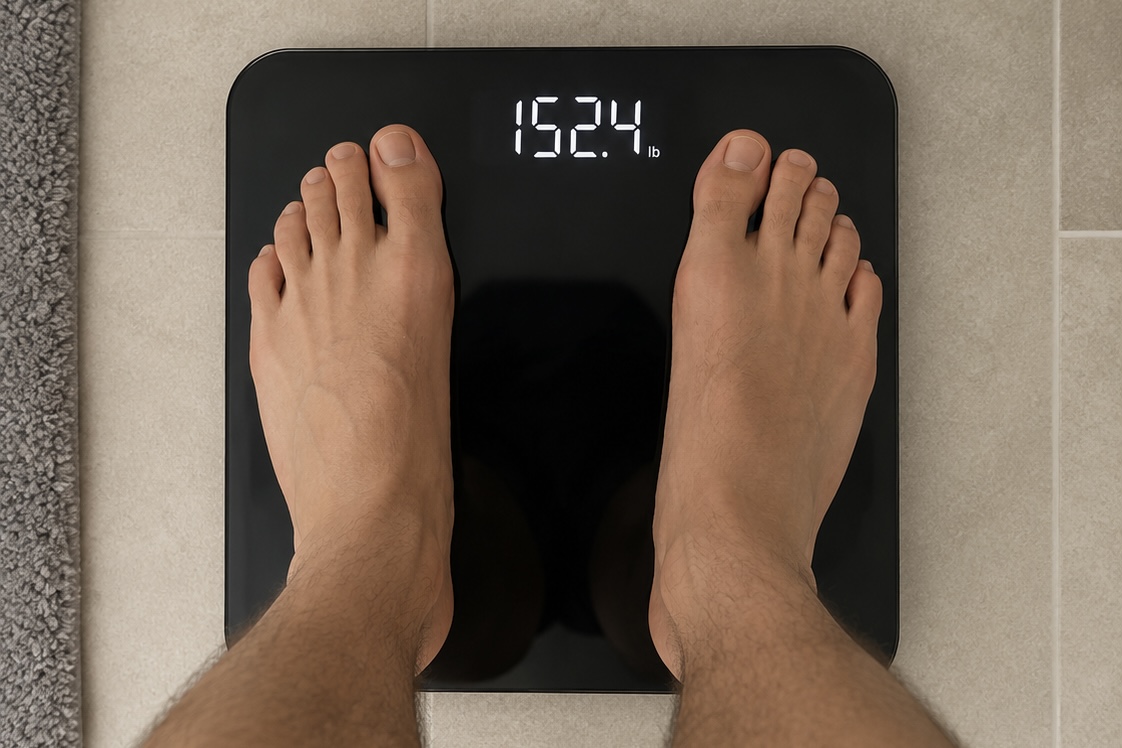
How long does it take to lose weight? Most people can safely lose 1–2 pounds (0.5–1 kg) per week by maintaining a calorie deficit, exercising regularly, and staying consistent. While some people notice changes within the first few weeks, significant and lasting results usually take several months.
How long does it take to lose weight depends on several factors, including your starting weight, diet, activity level, and consistency. Rather than chasing rapid weight loss, focusing on healthy habits is the best way to achieve lasting results.
Weight Loss Timeline at a Glance
| Timeframe | What to Expect |
| Week 1 | Initial weight loss is often mostly water weight. |
| Weeks 2-4 | Steady fat loss begins, with many people losing around 1-2 lbs (0.5-1 kg) per week. |
| Months 2-3 | Clothes may fit better, energy levels improve, and physical changes become more noticeable. |
| After 6 Months | Significant, sustainable weight loss and improvements in overall health are often achieved with consistent habits. |

While this timeline provides a general guide, how long does it take to lose weight, ultimately depends on factors such as you’re starting weight, diet, activity level, and consistency. Let’s take a closer look at what you can realistically expect.
What Determines How Fast You Lose Weight?
No two people lose weight at exactly the same pace. Your progress is influenced by a combination of factors, including:
- Your starting weight
- Age
- Sex
- Muscle mass
- Daily calorie intake
- Activity level
- Sleep quality
- Stress levels
- Medical conditions
- Consistency
For example, someone carrying more excess weight often loses weight faster in the beginning than someone who is already closer to their goal weight.
The key isn’t comparing yourself to others – it’s making steady progress over time.
How Long Does It Take to Lose Weight? Week-by-Week Timeline
Week 1: The First Changes
Many people are excited to see the scale drop during the first week.
While this can be motivating, much of the initial loss is often water weight rather than body fat.
Reducing processed foods, eating fewer refined carbohydrates, and consuming less sodium can all cause your body to release stored water.
This is completely normal and shouldn’t be mistaken for long-term fat loss.
Weeks 2-4: Fat Loss Begins
After the first week, genuine fat loss typically becomes more noticeable.
If you’re maintaining a moderate calorie deficit and staying active, many people lose around 1–2 pounds (0.5–1 kg) per week during this stage.
You may also notice:
- Your clothes fitting more comfortably
- Increased energy
- Improved fitness
- Better motivation
- Greater confidence
These early improvements can help you stay consistent.
Months 2-3: Visible Progress
By the second or third month, many people begin seeing more noticeable physical changes.
Depending on your starting weight and consistency, you may have lost between 8 and 24 pounds (4-11 kg).
At this stage, you might notice:
- A slimmer waistline
- Better muscle definition
- Improved stamina
- Increased confidence
- Friends and family commenting on your progress
Weight loss isn’t just about appearance – it often becomes easier to move, exercise, and perform everyday activities.
After 6 Months: Long-Term Results
Six months of consistent healthy habits can lead to significant improvements.
Alongside weight loss, many people experience:
- Better cardiovascular health
- Lower blood pressure
- Improved blood sugar control
- Increased fitness
- Better sleep
- More energy throughout the day
Even losing 5-10% of your starting body weight can provide meaningful health benefits.
Healthy Weight Loss vs. Rapid Weight Loss
Quick-fix diets often promise dramatic results, but losing weight too quickly can increase the risk of:
- Muscle loss
- Nutrient deficiencies
- Fatigue
- Slower metabolism
- Regaining the weight later
Although rapid weight loss might sound appealing, slow and steady progress is far more sustainable.
Aim for healthy lifestyle changes rather than extreme diets.
According to the NHS, losing 1-2 pounds (0.5-1 kg) per week is considered a healthy and sustainable rate of weight loss.
Why the Scale Doesn’t Always Go Down
One of the biggest frustrations during a weight loss journey is stepping on a scale and see in no change.
This doesn’t necessarily mean you’ve stopped making progress.
Your bodyweight naturally fluctuates because of:
- Water retention
- Hormonal changes
- Salt intake
- Digestion
- Exercise recovery
- Muscle gain
If you’re exercising regularly, particularly with strength training, you could be losing body fat while gaining muscle at the same time.
That’s why it’s helpful to track more than just your weight.
Consider taking progress photos, measuring your waist, or paying attention to how your clothes fit.
How to Lose Weight Safely

Create a Moderate Calorie Deficit
Weight loss happens when you consistently consume fewer calories than your body burns.
A moderate calorie deficit is usually easier to maintain than an extreme one.
Prioritise Protein
Protein helps preserve muscle while losing fat and can help keep you feeling full for longer.
Include lean protein sources with each meal.
Stay Active
Regular movement plays a major role in healthy weight loss.
Walking, cycling, swimming, jogging, and other forms of cardio all help increase calorie expenditure.
If you’re wondering whether walking is enough, read our guide on Does Walking Count as Cardio?

Include Strength Training
Many people focus only on cardio when trying to lose weight.
Strength training helps preserve muscle mass while dieting and supports a healthier body composition.
If you’re interested in building muscle alongside losing fat, check out our article How Long Does It Take to Build Muscle?

Get Enough Sleep
Sleep is often overlooked.
Poor sleep can increase hunger, reduce motivation, and make it more difficult to stick to healthy habits.
Aim for around 7-9 hours of quality sleep each night.
Common Weight Loss Mistakes
Avoid these common mistakes:
- Expecting overnight results
- Following crash diets
- Skipping meals
- Cutting calories too aggressively
- Ignoring strength training
- Relying only on the scale
- Giving up after a short plateau
Remember, when dealing with the question, how long does it take to lose weight? Consistency almost always produces better results than perfection.
Frequently Asked Questions
Can you lose weight in 30 days?
Yes. Many people can safely lose around 4-8 pounds (2-4 kg) in a month through a healthy calorie deficit and regular exercise, although results vary from person to person
How long does it take to lose weight before you notice results?
Many people notice small changes themselves within 2-4 weeks, while others may begin noticing after you’ve lost a larger amount of weight.
Is losing weight too quickly unhealthy?
Rapid weight loss can increase the risk of muscle loss, nutritional deficiencies, and regaining the weight later.
A slower, more sustainable approach is generally recommended.
Why has my weight loss stopped?
Weight loss plateaus are common.
As your body becomes lighter, it requires fewer calories, meaning you may eventually need to adjust your calorie intake, increase activity, or simply remain patient while your body adapts.

Final Thoughts
Healthy weight loss isn’t about finding the fastest solution – it’s about building habits you can maintain for life.
Most people can expect to lose 1-2 pounds (0.5-1 kg) per week, but progress won’t always be perfectly linear. Some weeks you’ll lose more, some weeks less, and occasionally the scale won’t move at all.
The important thing is to stay consistent. Eating nutritious foods, exercising regularly, getting enough sleep, and being patient will almost always lead to better long-term results than crash diets or unrealistic shortcuts.
Focus on creating healthy habits, celebrate every milestone along the way, and remember that successful weight loss isn’t about measured by more than just the number on the scale. If you’re wondering how long does it take to lose weight, remember that consistency is more important than speed.