
If you’ve recently started working out, one of the first questions you’ll probably ask is: How long does it take to build muscle?
The short answer is that most beginners start noticing small changes within 4 to 8 weeks, while more significant muscle growth usually takes 3 to 6 months of consistent training and proper nutrition.
The exact timeline depends on factors such as your training routine, diet, sleep, genetics, and consistency. Let’s break it down.

How Long Does It Take To Build Muscle? Timeline
Although everyone’s body responds differently, here’s a general timeline.
Weeks 1-4
During the first month, most of your strength gains come from your nervous system becoming more efficient rather than from new muscle growth.
You may notice:
- Improved strength
- Better exercise technique
- Slight muscle fullness after workouts
- Increased confidence in the gym
Visible muscle changes are usually minimal during this stage.
Weeks 4-8
Around the second month, many beginners begin to notice subtle physical changes.
You might experience:
- Slightly larger arms or legs
- Better muscle definition
- Clothes fitting differently
- Friends or family commenting on your appearance
These changes are often the first signs that your training is working.
Months 3-6
With consistent resistance training and good nutrition, muscle growth becomes much more noticeable.
By this point, many beginners have:
- Added several pounds of lean muscle
- Increased strength significantly
- Improved posture
- Developed more defined shoulders, chest, back, or legs
What Affects How Fast You Build Muscle?
Several factors influence muscle growth.
1. Progressive Overload
Your muscles grow when they’re challenged.
This means gradually increasing:
- Weight
- Repetitions
- Sets
- Training difficulty
Without progressive overload, muscle growth eventually slows.
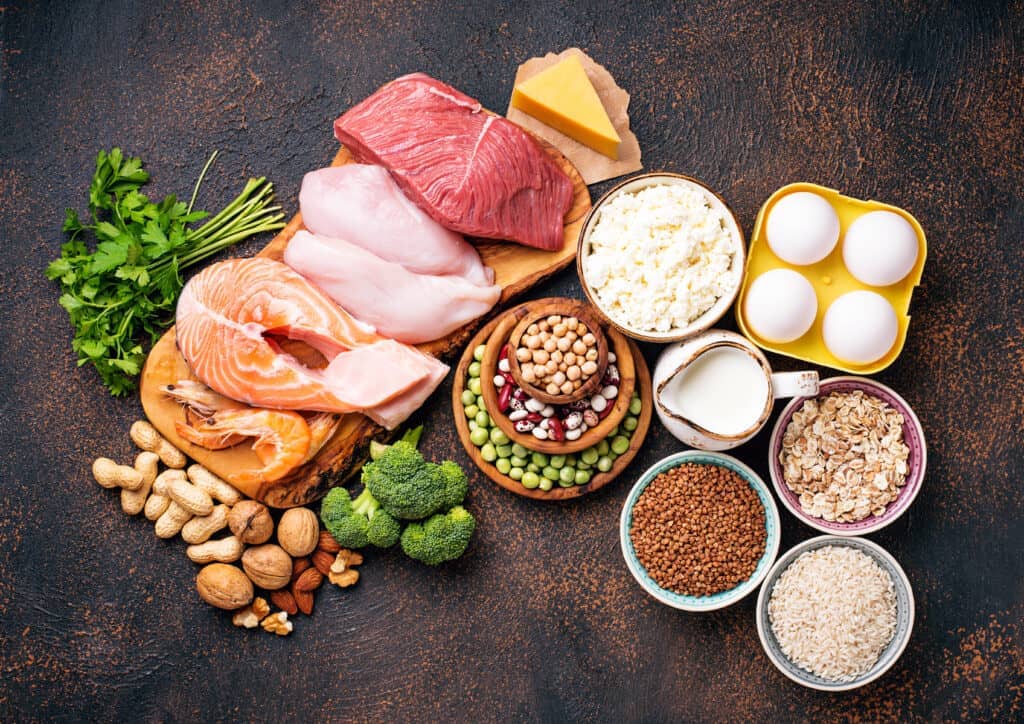
2. Protein Intake
Research shows, protein provides the building blocks your muscles need to recover and grow.
Most active people aiming to build muscle should consume approximately 1.6–2.2 grams of protein per kilogram of body weight each day.
Good protein sources include:
- Chicken
- Fish
- Eggs
- Greek yogurt
- Lean beef
- Tofu
- Protein shakes
3. Sleep
Muscles don’t grow while you’re training—they grow while you’re recovering.
Aim for 7–9 hours of quality sleep every night.
Poor sleep can reduce recovery and slow muscle growth.

4. Training Consistency
The biggest difference between people who build muscle and those who don’t is consistency.
Training three or four times every week for several months will produce far better results than training intensely for only a few weeks.
5. Calories
If your goal is to gain muscle, eating enough calories is essential.
A small calorie surplus gives your body the energy needed to build new muscle tissue while supporting recovery.
How Much Muscle Can Beginners Gain?
While results vary, beginners often gain muscle faster than experienced lifters.
A realistic expectation is:
- Around 1–2 pounds (0.5–1 kg) of muscle per month during the first year of proper training.
Growth usually slows as you become more experienced.
Common Mistakes That Slow Muscle Growth
Many people delay progress by making avoidable mistakes.
These include:
- Not eating enough protein
- Skipping workouts
- Constantly changing workout programs
- Not increasing training intensity
- Sleeping too little
- Expecting overnight results
Avoiding these habits can significantly improve your progress.
Frequently Asked Questions
Can you build muscle in one month?
How long does it take to build muscle? Most beginners notice increased strength before obvious muscle size.
How often should I train to build muscle?
Training each major muscle group 2-3 times per week generally produces excellent results for beginners.
Can I build muscle without supplements?
Absolutely. Supplements are optional. Consistent training, sufficient protein, quality sleep, and good nutrition are far more important.
Final Thoughts
So, how long does it take to build muscle? Building muscle takes time, but it doesn’t take years before you notice progress.
If you train consistently, eat enough protein, recover properly, and gradually increase the challenge of your workouts, you’ll likely see visible improvements within one to two months, with much more noticeable muscle growth after three to six months.
If you’re still wondering how long does it take to build muscle? Remember to stay patient, stay consistent, and focus on long-term progress rather than quick results.
If you’re new to fitness, you might also be wondering whether walking counts as cardio. Read our guide on Does Walking Count as Cardio?